Should you take probiotics? What the evidence says
What's covered?



Should you take probiotics? It’s a question that’s hard to avoid when shelves in supermarkets, pharmacies, and health food shops are bursting with probiotic products claiming to boost your gut health. But are the pills, yoghurts, and powders actually worth your time and money?
Probiotics are, by definition, “live microorganisms which when administered in adequate amounts confer a health benefit” on the person taking them.
So if they’re beneficial by definition, surely this means that taking probiotics is a guaranteed win?
It seems straightforward, but the science is more nuanced. Let’s dig into what the research currently says, who benefits from probiotics, and whether or not you should try them.
What are the benefits of taking probiotics?
The main reason for taking probiotics is to support your gut microbiome—the community of trillions of microbes living in your gut.
The gut microbiome is closely linked to many aspects of your health, not just digestion. Your immune system and brain, for instance, are influenced by your gut microbes and the chemicals and compounds they produce.
Taking a probiotic is supposed to help by introducing live “friendly” microbes into your gut.
These microbes should support the growth of other “good” microbes while making the gut a tougher environment for “bad” microbes to prosper. This increases the diversity of microbes in the gut (a marker of good gut health) and nudges the balance further in favour of “good” microbes.
This is the idea that sits behind the many probiotic products you’ll find in shops. Only you won’t find many of them with the word “probiotic” on their packaging; that’s because the term could be seen as making a health claim.
Probiotics are regulated in the same way as food supplements in the UK, so they don’t need to undergo testing to see what kind of health effects they might provide. Without this rigorous testing, the manufacturers aren’t legally allowed to make health claims.
Instead, you’ll see terms like “live cultures,” “biotics,” or “live, friendly bacteria.” But each of these labels is trying to tap into the same idea, suggesting that the product will be able to give your gut a more positive balance of microbes, enhancing your overall health and wellbeing along the way.
Manufacturers also don’t need to guarantee their products contain enough live microbes to have an impact, or that the microbes will survive long enough to even reach your gut, which is reason enough to be sceptical of how useful they might be.
Do probiotics work? What the evidence says
There are plenty of studies showing that probiotics can make a positive difference, but they’re usually focused on specific situations. For example, certain strains might help with a gut-related issue.
One meta-analysis from 2012 found that specific species of probiotics had a significant positive effect on six different gastrointestinal diseases, including infectious diarrhoea, antibiotic-associated diarrhoea, and irritable bowel syndrome (IBS). Other probiotic species didn’t help.
What works can sometimes be very precise, too. The researchers noted that while the species of bacteria matters, sometimes only specific strains within a species have the desired effect.
A 2020 technical review from the American Gastroenterology Association only found evidence to support probiotics being effective in preventing pouchitis and Clostridium difficile-associated diarrhoea, but not certain other gut issues. Again, the authors noted that the effects of probiotics were both species- and strain-specific.
This can get complicated quickly when you consider that there are thousands of known species of probiotics.
These studies suggest that solving a gut problem with probiotics is a bit like solving a jigsaw. You need a puzzle piece with the right shape: the right strain of bacteria for the current balance of microbes in the gut.
However, it’s very difficult to know exactly which bacteria will be the right fit for your gut. Gut microbiome testing can help you learn about which microbes are present in your gut, but it’s a snapshot of one moment in time.
Can probiotics help you if you're already healthy?
The research into probiotics is less convincing when it comes to their effects on people with already healthy guts.
A 2026 meta-analysis reported that using probiotics didn’t lead to any significant changes to the diversity of microbes in the guts of healthy people. However, we should note that there are many testimonies from people online explaining the difference their probiotic of choice has made—you may even be one of them.
Probiotic supplements also have a temporary effect, which makes it hard to measure how effective they are. When you take a probiotic, the strains can act as they pass through your gut, but they aren’t “colonising” new bacteria when they leave.
One review of research from 2018 found that positive changes to gut microbiomes due to probiotics went away within 3 weeks of stopping taking them.
This means you’d need to keep taking the probiotics to experience continuous benefits (if you’ve experienced them). And as we’ve discussed, this is very personal.
Our guts are as unique to us as our fingerprints, however, and what works for one person won’t necessarily have the same impact for someone else. One small 2018 study noted as much, finding that whether or not a probiotic could take hold in someone’s gut varied by strain as well as from person to person.
Probiotic foods vs supplements: What’s the difference?
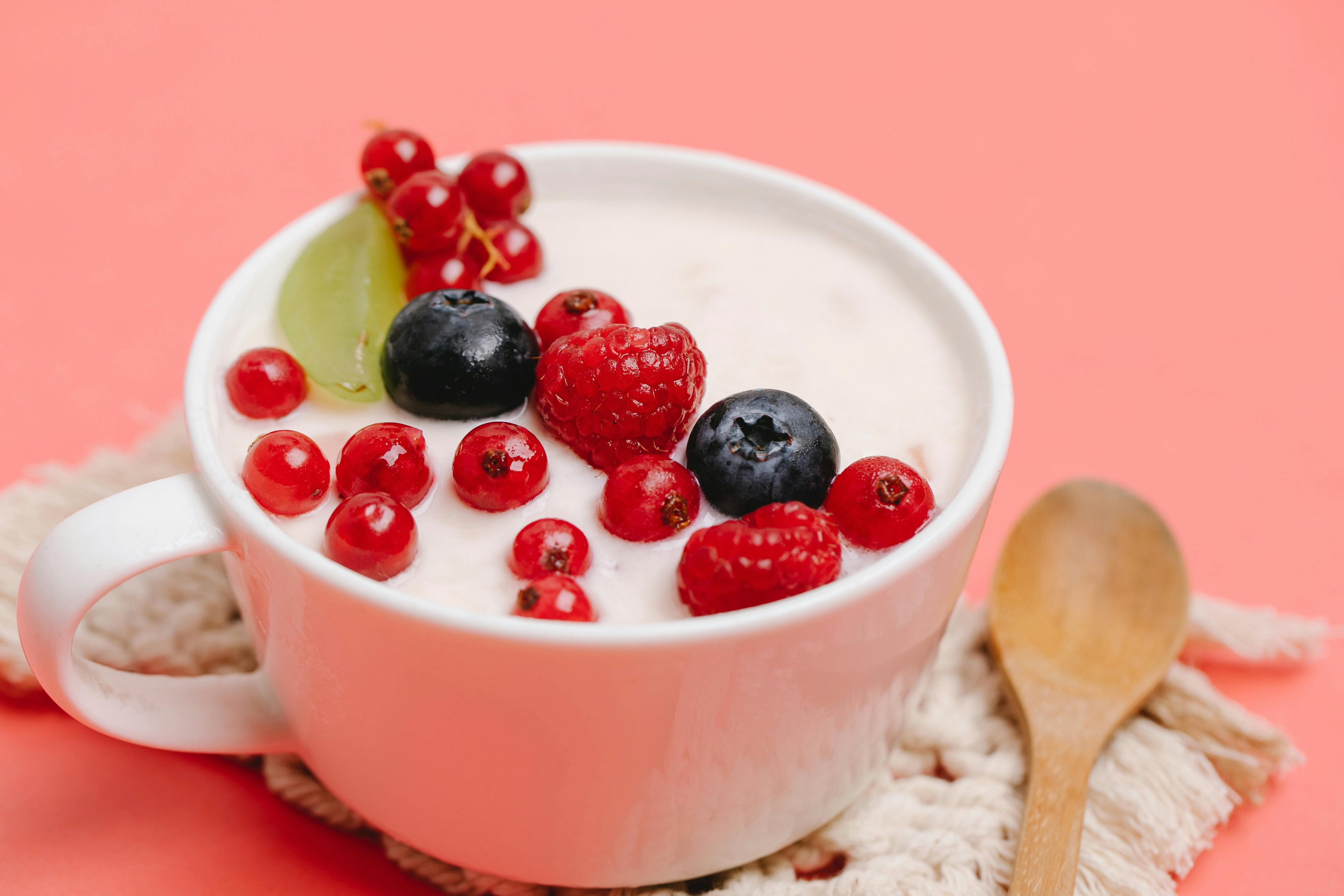
Probiotics aren’t exclusive to supplements: you can also find them in foods. These are typically fermented foods, such as sauerkraut, kefir, kimchi, and certain yoghurts.
A small 2021 randomised trial reported that eating a diet high in fermented foods steadily increased the diversity of participants’ gut microbiomes over the course of 17 weeks.
The benefit of getting probiotics from food sources is that you also get a host of other nutrients. Depending on the source, fermented foods may also contain polyphenols and fibre, both of which provide food for your gut microbes and help it do its thing effectively.
Just remember that not all fermented foods contain live probiotics. The process of pasteurisation kills microbes, so if you’re after a product with probiotics, look for “live cultures” on the packaging.
The best ways to support your gut health
Probiotics appear to have their uses for specific gut-related issues. Due to how individual our guts are, however, there’s no guarantee what effect a supplement will have for you.
Luckily, there are plenty of surefire ways to support your gut microbiome. Here are some things that we know can make a difference:
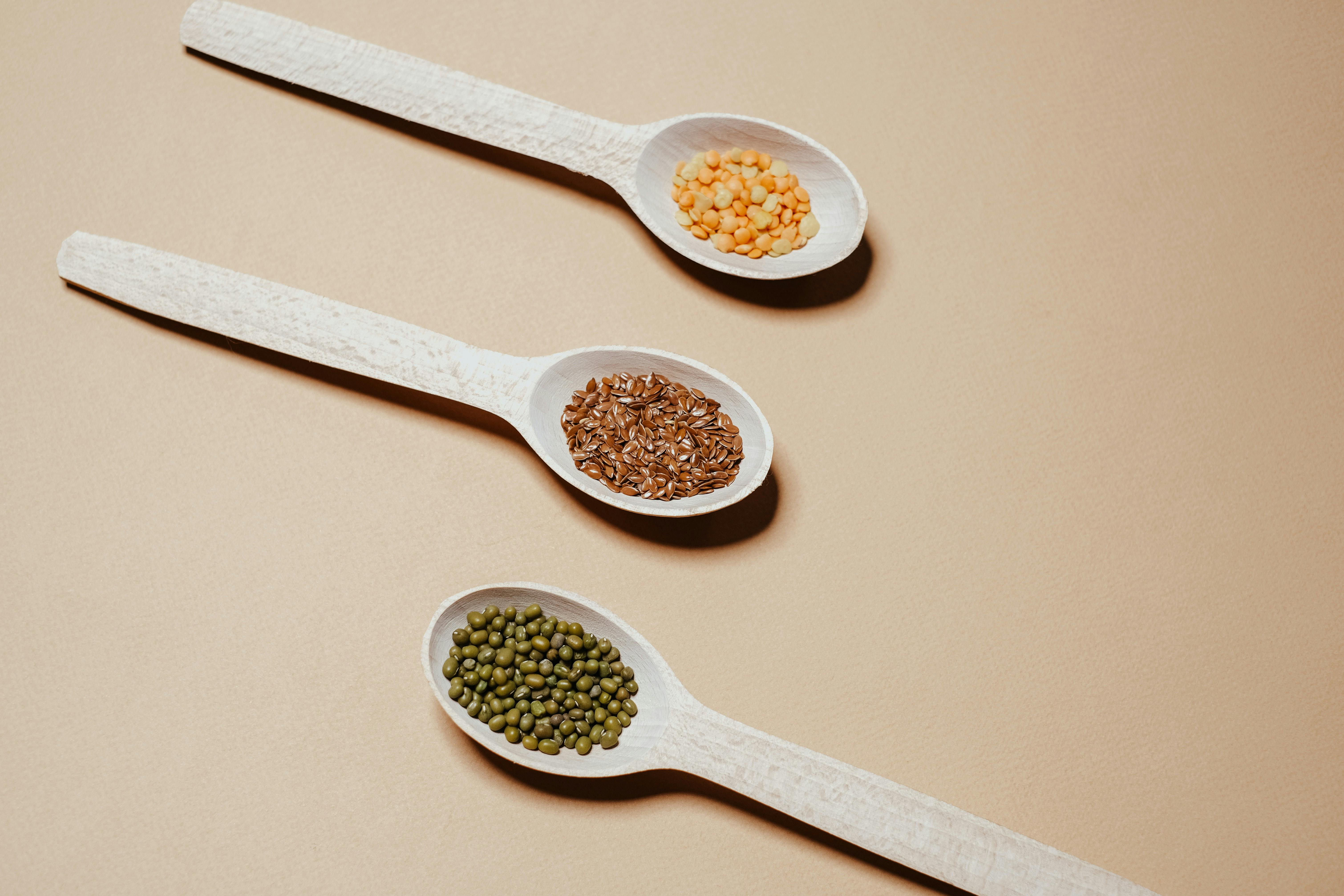
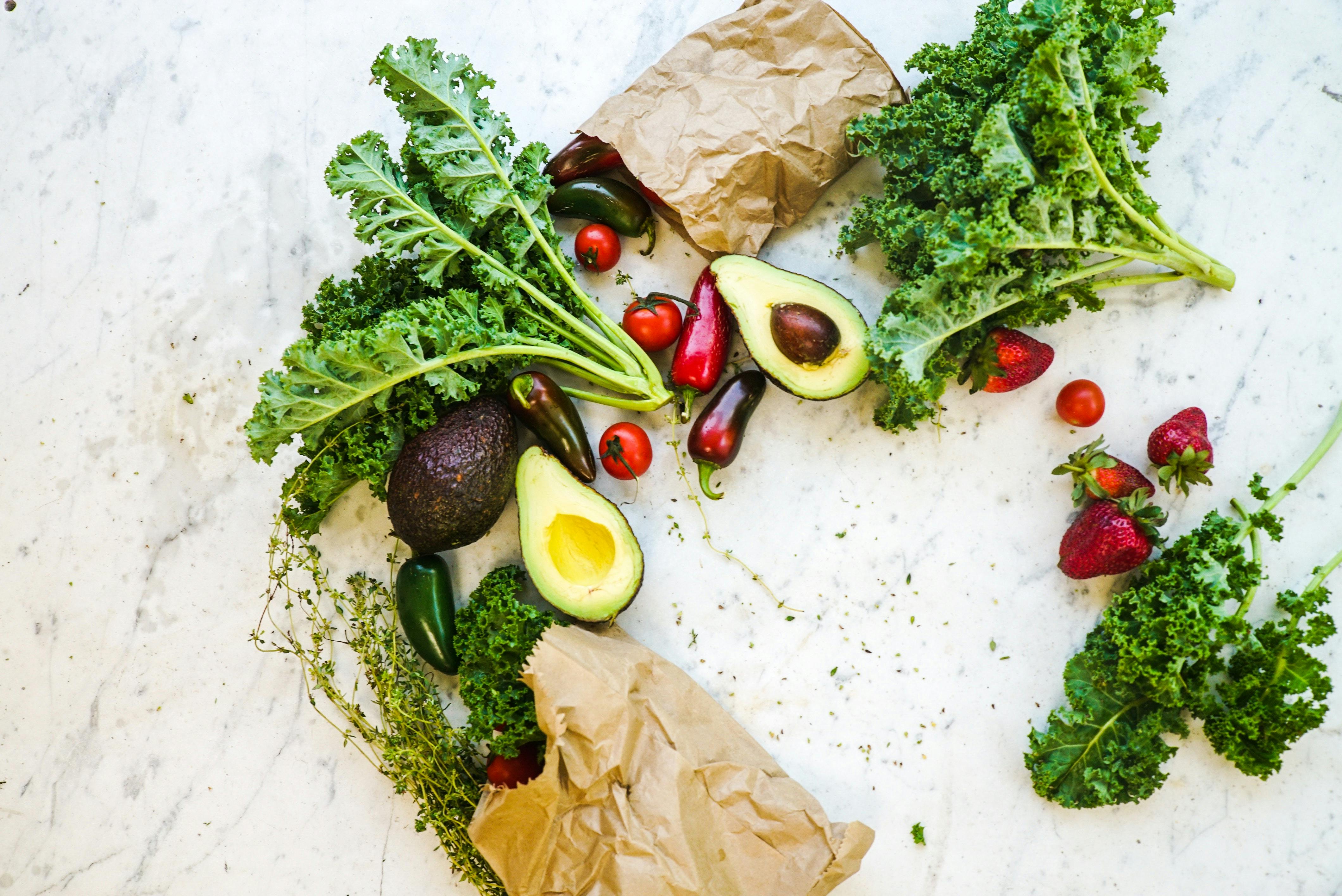
- Eating a variety of different plant foods like fruits, vegetables, seeds, beans, and lentils
- Eating at least 30 grams of fibre each day
- Try consuming some fermented foods, like sauerkraut, kimchi, kefir, and certain yoghurts
- Cutting back or limiting ultra-processed foods where you can
- Getting plenty of sleep
- Doing what you can to manage stress
- Avoiding smoking and tobacco products
If you’re keen on trying probiotics anyway and are otherwise healthy, they’re generally safe and have few downsides. If you have gut concerns, it’s a good idea to speak with a doctor before starting to take a new supplement, especially if you have any gut-related symptoms or a health condition you’re managing.
When it comes to picking a probiotic, carefully check what strain or strains it contains and have a look online to see if there’s any evidence of them making a difference.
You’ll also want to check the storage instructions and look at how many colony-forming units, or CFUs, it contains. Research suggests needing at least 10 million CFUs in order to be effective.
Takeaway
Probiotics can help support gut health in specific situations, such as helping with IBS. However, it can be difficult to know how effective they might be from person to person.
While probiotics are generally safe to try for most people, you can support your gut health in a number of cheaper ways, such as through your diet and exercise, that can provide other guaranteed health benefits on top.
Disclaimer: This information is for general educational purposes only and isn’t a substitute for professional medical advice, diagnosis, or treatment. Always speak with a qualified healthcare professional first if you have concerns about your health.
- Capurso, G., & Lahner, E. (2017). The interaction between smoking, alcohol and the gut microbiome. https://www.sciencedirect.com/science/article/abs/pii/S152169181730118X
- Éliás, A. et al. (2026). Effect of probiotic supplementation on the gut microbiota diversity in healthy populations: a systematic review and meta-analysis of randomised controlled trials. https://link.springer.com/article/10.1186/s12916-025-04602-0
- Foster, J. et al. (2017). Stress & the gut-brain axis: Regulation by the microbiome. https://www.sciencedirect.com/science/article/pii/S2352289516300509
- Gagliardi, A. et al. (2018). Rebuilding the gut microbiota ecosystem. https://www.mdpi.com/1660-4601/15/8/1679
- Grand View Horizon. (n.d.). UK digestive health supplements market size & outlook. https://www.grandviewresearch.com/horizon/outlook/digestive-health-supplements-market/uk
- Hill, C. et al. (2014). The International Scientific Association for Probiotics and Prebiotics consensus statement on the scope and appropriate use of the term probiotic. https://www.nature.com/articles/nrgastro.2014.66
- Khalesi, S. et al. (2018). A review of probiotic supplementation in healthy adults: helpful or hype? https://www.nature.com/articles/s41430-018-0135-9
- Langdon, A. et al. (2016). The effects of antibiotics on the microbiome throughout development and alternative approaches for therapeutic modulation. https://pmc.ncbi.nlm.nih.gov/articles/PMC4831151/
- McDonald, D. et al. (2018). American Gut: an open platform for citizen science microbiome research. https://journals.asm.org/doi/10.1128/msystems.00031-18
- NHS. (2026). How to get more fibre into your diet. https://www.nhs.uk/live-well/eat-well/digestive-health/how-to-get-more-fibre-into-your-diet/
- NHS. (2022). Probiotics. https://www.nhs.uk/tests-and-treatments/probiotics/
- Preidis, G. et al. (2020). AGA technical review on the role of probiotics in the management of gastrointestinal disorders. https://www.gastrojournal.org/article/S0016-5085(20)34732-6/fulltext
- Ritchie, M., & Romanuk, T. (2012). A meta-analysis of probiotic efficacy for gastrointestinal diseases. https://pmc.ncbi.nlm.nih.gov/articles/PMC3329544/
- Smith, R. et al. (2019). Gut microbiome diversity is associated with sleep physiology in humans. https://pmc.ncbi.nlm.nih.gov/articles/PMC6779243/
- Wastyk, H. et al. (2021). Gut-microbiota-targeted diets modulate human immune status. https://www.cell.com/cell/fulltext/S0092-8674(21)00754-6
- Whelan, K. et al. (2024). Ultra-processed foods and food additives in gut health and disease. https://www.nature.com/articles/s41575-024-00893-5
- Zmora, N. et al. (2018). Personalized gut mucosal colonization resistance to empiric probiotics Is associated with unique host and microbiome features. https://www.cell.com/cell/fulltext/S0092-8674(18)31102-4