The lifestyle changes Thriva users made when lowering their cholesterol
What's covered?



‘I lost [weight] just by the change in diet and exercise. I started these changes in July 2025, and I have got my cholesterol down.’
This Thriva user isn't alone. When we surveyed 45 people who'd successfully lowered their cholesterol, the majority reported making multiple changes in how they ate, moved, and lived.
What’s striking is just how simple their approaches were. Many shared their experiences of implementing evidence-backed changes and consistency that turned weeks into months.
We surveyed Thriva users who reduced their LDL-cholesterol and apolipoprotein B (apoB), both of which are key markers of cardiovascular risk.
LDL-cholesterol measures how much cholesterol is carried by LDL particles in the blood, with higher amounts linked to a higher risk of heart disease. ApoB is different because it counts LDL particles as well as other atherogenic particles in the blood. Because each particle has one apoB, it’s a more accurate predictor of heart disease risk.
It’s important to note that this article isn’t a substitute for medical advice—it’s a glimpse into the experiences of a small group of Thriva users, and a celebration of their progress.
Who we surveyed
Anecdotally, we know that many Thriva customers use regular testing to manage their cholesterol levels. We wanted to find out how they were using lifestyle changes to improve their health, so we decided to ask them: What has your experience looked like?
We sent out an anonymous survey to users who had previously had out-of-range (higher than normal) LDL-cholesterol but had decreased their levels in subsequent tests. Some had only taken their second test at this point, while others had data points in the double digits.

Some people will be prescribed medications to manage cholesterol, and we recommend following your doctor’s advice when it comes to this. However, we’re just talking about lifestyle changes in this article.
Learn more about how to test your apoB and LDL-cholesterol at home.
Diet: More plants & fewer processed foods
With about 40% of respondents changing their diets, this was the most popular category. Research has shown that a healthy diet can reduce cholesterol and reduce risk factors for cardiovascular disease.
Among the most common changes was reducing saturated fat and processed foods. We’ve all heard this before—but actually putting it into practice in real life is hard, which makes our users’ results even more impressive.
‘I stopped eating sweets, chocolate, cakes, and biscuits,’ said one respondent. They also increased fibre through more fruits, veggies, and whole grains, which cropped up as another major theme in our survey.
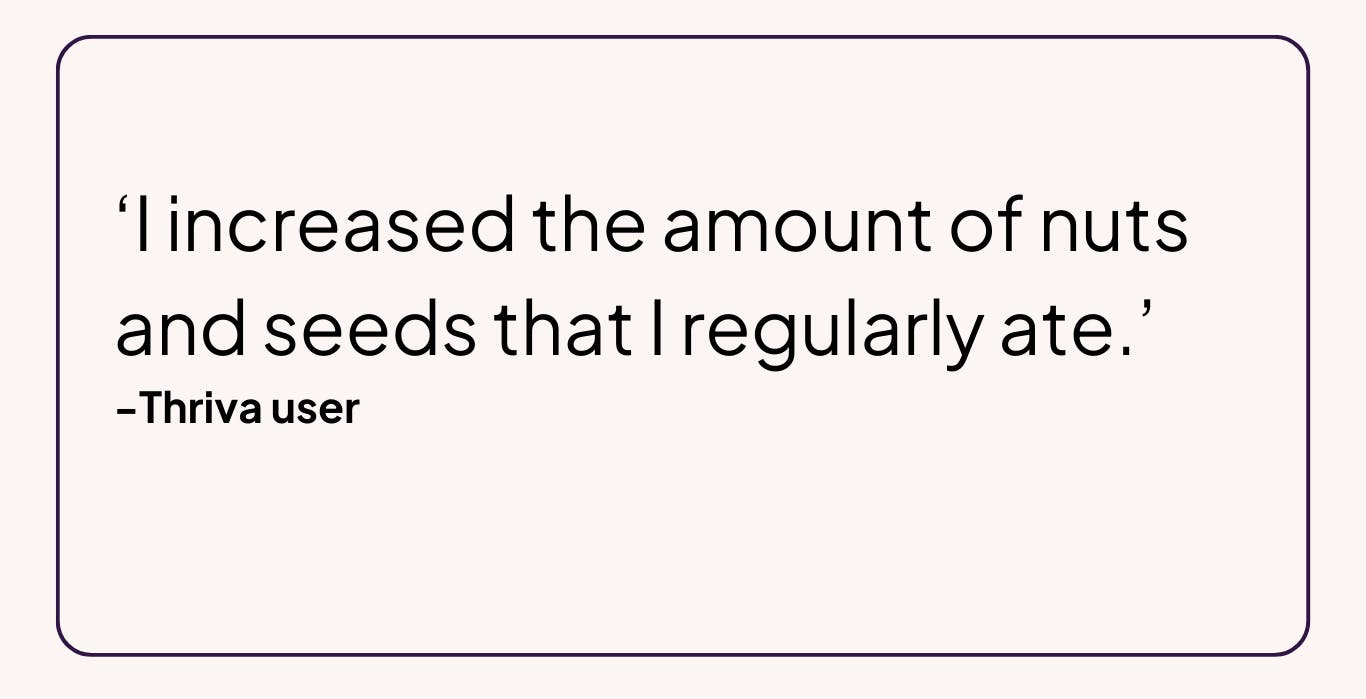
Another theme was more plant-based eating. A few respondents said they switched to vegetarian or vegan diets, while others shifted their eating habits by including more plant foods and cutting back on animal products.
What the science says
Try implementing evidence-backed changes eating more fibre-rich plant foods (like fruits, veggies, and whole grains). For many people, swapping some foods high in saturated fats (such as butter and fatty meats) for unsaturated fats (like olive oil, oily fish, and nuts) can also reduce LDL-cholesterol.
How well these changes work varies from person to person. Factors like BMI, genetics, and metabolic health all affect how much your diet can change LDL-cholesterol. The foods you choose to replace saturated fats with also make a difference.
Movement: Pair consistency with intensity
If there’s one thing we learned from our users’ responses here, it’s to not overcomplicate it.
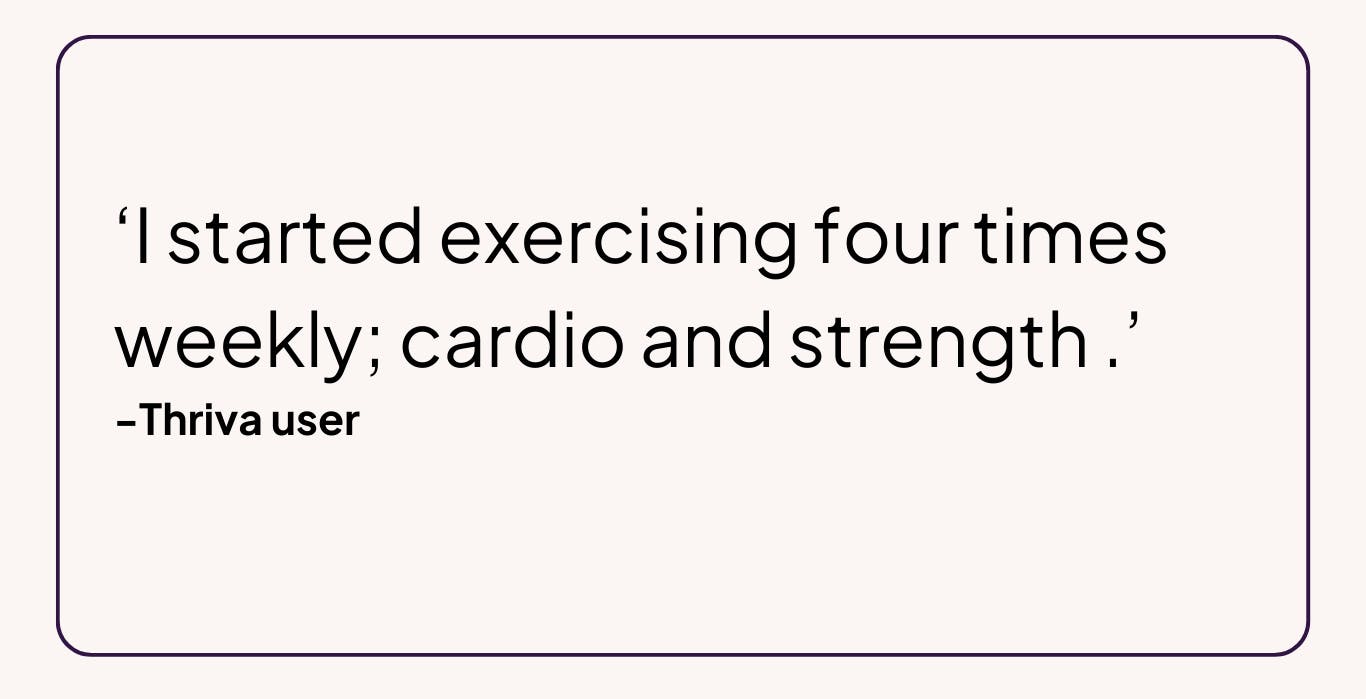
They reported trying a variety of approaches like weights, running, cycling, and HIIT. What stood out was their consistency and commitment to consistent movement despite setbacks.
‘I can’t run anymore these days as [I] keep getting injuries,’ said one user. They chose cycling instead, and they consistently got on the bike 4-5 times a week. ‘I think exercising hard really helps,’ they said.
What the science says
The research supports a combination of aerobic (think running, cycling, and swimming) and strength training at a moderate to high intensity. That said, the best workout is the one you consistently show up for, so it’s important to pick something that works for your body and daily routine.
Small changes: Add in sterols & fibre
It’s no surprise that diet and exercise were the biggest categories in our survey. But most of our respondents layered on small, additional changes and swaps in an effort to reduce their cholesterol. These can be powerful when acting in tandem with other lifestyle changes.
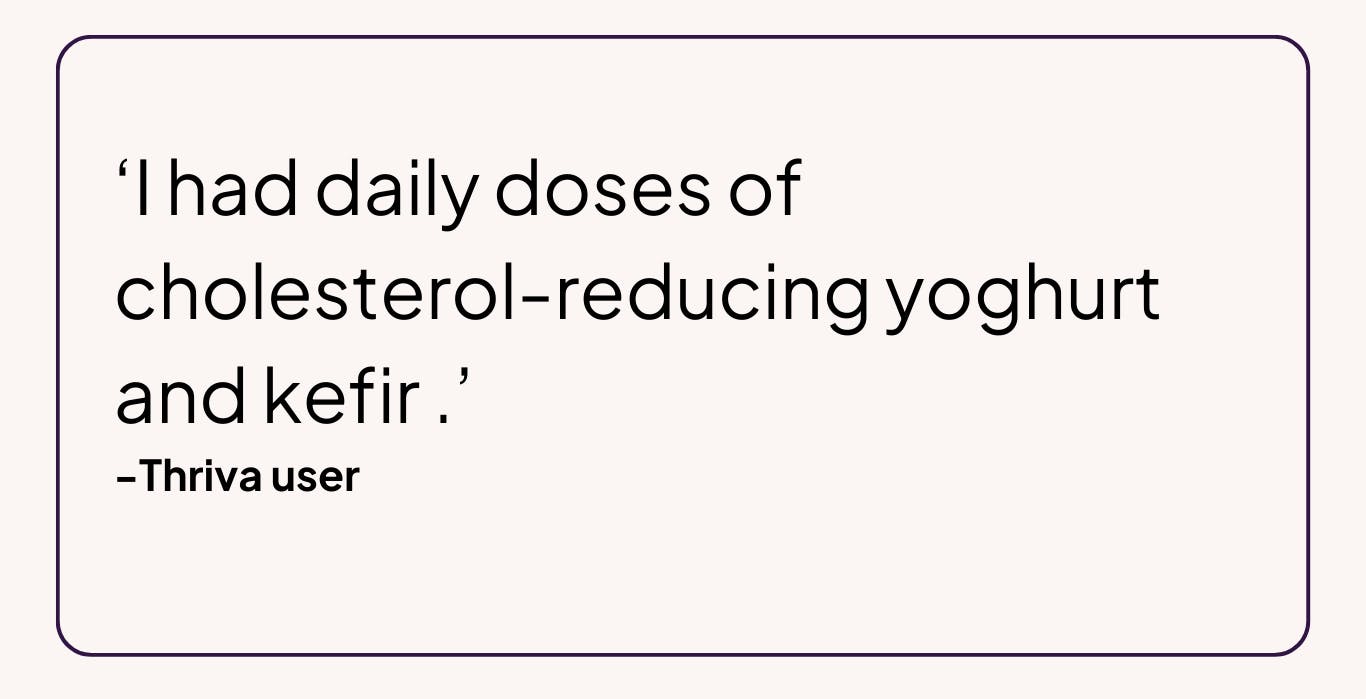
A top choice was consuming more plant sterols. These are naturally occurring compounds that act like cholesterol in the body, so they’re able to compete with actual cholesterol, reducing the amount that is absorbed. While they’re found in fruits, veggies, nuts, and seeds, they’re also often added to yoghurt and butter products.
Some respondents tried supplements like psyllium husk, which is a source of soluble fibre. This type of fibre forms a gel-like substance in the gut, mopping up cholesterol so it can be excreted from the body. You can also consume it through foods including oats, barley, beans, and apples.
However, it’s worth noting that consuming enough fibre overall is associated with a lower risk of cardiovascular disease. Insoluble fibre helps your digestion and gut health, and it can also aid with weight loss by keeping you satisfied longer after meals. Adding more fruits, vegetables, whole grains, nuts, and seeds to your diet can increase your overall fibre intake.
What the science says
Plant sterol dairy products can aid in reducing lipid biomarkers like LDL and apoB, though their effect can vary due to genetic and metabolic factors. Using psyllium husk powder regularly is also associated with modest improvements in LDL and apoB.
Getting started
This is just a snapshot of the changes Thriva users made. They’re not flashy or complicated, but they can make a big difference—especially when you stack one habit on top of another.
Getting started with lifestyle changes isn’t easy, but it does get easier. Try choosing one habit that feels realistic for you, and once the momentum builds, add another.
Regular testing provides the feedback loop that makes these changes sustainable—seeing concrete movement in your numbers validates the effort and helps you identify which interventions work for your specific physiology.
Disclaimer: This information is for general educational purposes only and isn’t a substitute for professional medical advice, diagnosis, or treatment. Always speak with a qualified healthcare professional first if you have concerns about your health.
- Elena, J. et al. (2018). Effect of psyllium (Plantago ovata) fiber on LDL cholesterol and alternative lipid targets, non-HDL cholesterol and apolipoprotein B: a systematic review and meta-analysis of randomized controlled trials. https://www.sciencedirect.com/science/article/pii/S0002916522030076
- Fu, L. et al. (2022). Associations between dietary fiber intake and cardiovascular risk factors: An umbrella review of meta-analyses of randomized controlled trials. https://www.frontiersin.org/journals/nutrition/articles/10.3389/fnut.2022.972399/full
- Fumeron, F., Bard, J. & Lecerf, J. (2017). Interindividual variability in the cholesterol-lowering effect of supplementation with plant sterols or stanols. https://pubmed.ncbi.nlm.nih.gov/28158760/
- Kirkpatrick, C. et al. (2023). Nutrition interventions for adults with dyslipidemia: A Clinical Perspective from the National Lipid Association. https://www.lipidjournal.com/article/S1933-2874%2823%2900185-X/fulltext
- Schoeneck M. & Iggman, D. (2021). The effects of foods on LDL cholesterol levels: A systematic review of the accumulated evidence from systematic reviews and meta-analyses of randomized controlled trials. https://pubmed.ncbi.nlm.nih.gov/33762150/
- Sundfør, T. et al. (2019). BMI modifies the effect of dietary fat on atherogenic lipids: a randomized clinical trial. https://pubmed.ncbi.nlm.nih.gov/31216575/
- Pollin, T. & Quartuccio, M. (2014). What We Know About Diet, Genes, and Dyslipidemia: Is There Potential for Translation? https://pmc.ncbi.nlm.nih.gov/articles/PMC3918461/
- Mente, A. et al. (2017). Association of dietary nutrients with blood lipids and blood pressure in 18 countries: a cross-sectional analysis from the PURE study. https://www.thelancet.com/journals/landia/article/PIIS2213-8587%2817%2930283-8/fulltext
- Mann, S., Beedie, C. & Jimenez, A. (2013). Differential Effects of Aerobic Exercise, Resistance Training and Combined Exercise Modalities on Cholesterol and the Lipid Profile: Review, Synthesis and Recommendations. https://pmc.ncbi.nlm.nih.gov/articles/PMC3906547/
- Yi-Feng, Z. et al. (2024). Effects of phytosterol supplementation on lipid profiles and apolipoproteins: A meta-analysis of randomized controlled trials. https://journals.lww.com/md-journal/fulltext/2024/10180/effects_of_phytosterol_supplementation_on_lipid.73.aspx